Historical figures for the citizenship test
The 49 people the practice questions mention, from explorers to Fathers of Confederation, war heroes, reformers and prime ministers: when they lived, what they did and why it matters. Each entry ends with the fact the test tends to ask about.
Exploration and New France 1497–1763
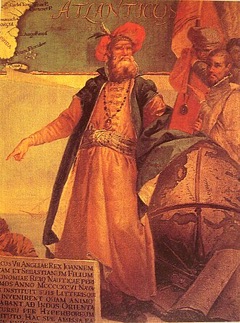
John Cabot
1497c. 1450–c. 1499 · Italian navigator sailing for England
Reached the coast of Newfoundland in 1497 and claimed it for England's King Henry VII. His voyage began serious European exploration of Canada.
On the test: The first to map Canada’s east coast.
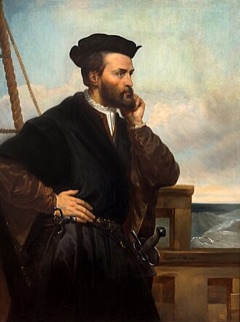
Jacques Cartier
1534–15421491–1557 · French explorer
Made three voyages for France and was the first European to explore the St. Lawrence River, claiming the land for King Francis I. He heard the Iroquoian word kanata ("village"), which became the name Canada.
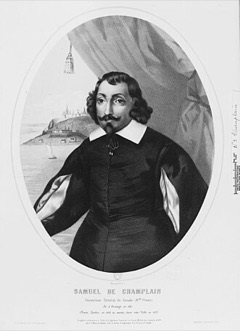
Samuel de Champlain
1604, 1608c. 1567–1635 · Founder of New France
Helped found the first French settlement in Acadia in 1604 and founded Quebec City in 1608, the first permanent French settlement on the St. Lawrence. Allied with the Algonquin, Montagnais (Innu) and Huron peoples. Often called the Father of New France.
On the test: French communities on the St. Lawrence began in the early 1600s.
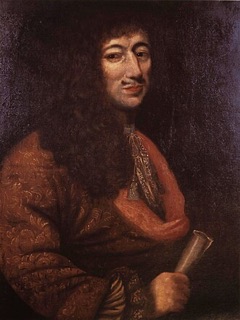
Jean Talon
1665–16721626–1694 · Intendant of New France
New France's first intendant (chief administrator). He encouraged population growth, farming and local industry, building the colony into a lasting society.
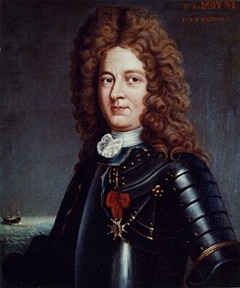
Pierre Le Moyne d'Iberville
1686–17061661–1706 · Soldier and explorer of New France
A hero of New France who won many victories over the English, from Hudson Bay in the North to the Caribbean, and founded the French colony of Louisiana.
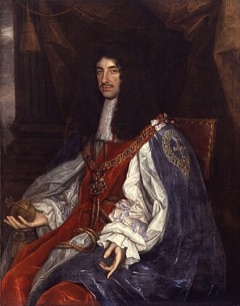
King Charles II
16701630–1685 · King of England
Granted the Hudson's Bay Company its royal charter in 1670, giving it control of the lands draining into Hudson Bay — and the fur trade there — for about 200 years.
British North America 1763–1867
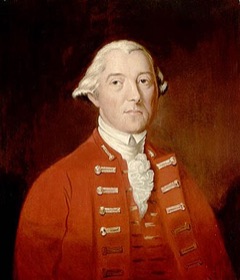
Sir Guy Carleton (Lord Dorchester)
1774–17831724–1808 · Governor of Quebec
Championed the Quebec Act of 1774, which let French Canadians keep their Catholic faith and French civil law, and defended Quebec against the American invasion of 1775–76. Later oversaw the evacuation of Loyalists from New York.
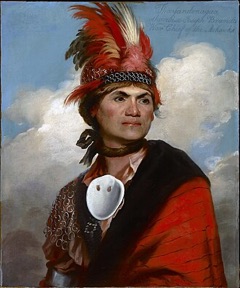
Joseph Brant (Thayendanegea)
17841743–1807 · Mohawk leader
Fought alongside Britain in the American Revolution, then led thousands of Loyalist Mohawks into Canada, settling them on the Grand River in what is now Ontario.
On the test: Led thousands of Loyalist Mohawks into Canada.
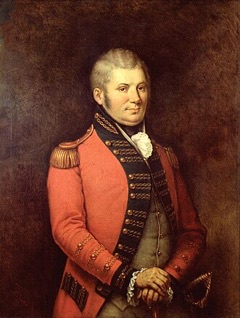
John Graves Simcoe
17931752–1806 · First Lieutenant Governor of Upper Canada
Founded the town of York (today Toronto) and in 1793 passed the first law in the British Empire to move toward abolishing slavery. Slavery was abolished throughout the Empire in 1833.
On the test: Upper Canada's first Lieutenant Governor, founder of Toronto, led Upper Canada toward abolition.
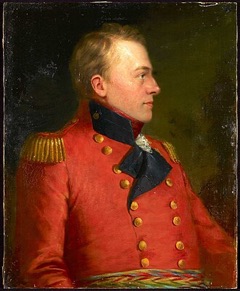
Sir Isaac Brock
18121769–1812 · British major-general
Defended Upper Canada in the War of 1812: captured Detroit with Tecumseh, then was killed leading his troops at the Battle of Queenston Heights. Remembered as a hero of Upper Canada.
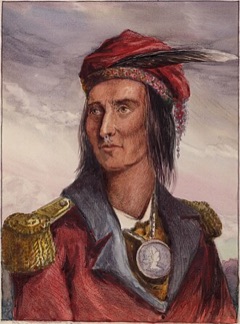
Chief Tecumseh
1812–18131768–1813 · Shawnee leader
Led First Nations warriors who fought alongside British soldiers and Canadian volunteers in the War of 1812, helping to defend Canada. Killed at the Battle of the Thames in 1813.
On the test: Supported British soldiers in the War of 1812 (true).
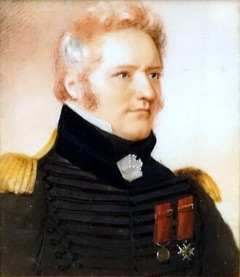
Charles de Salaberry
18131778–1829 · Commander of the Canadian Voltigeurs
Led French-Canadian troops to victory at the Battle of Châteauguay in 1813, turning back an American army advancing on Montreal.
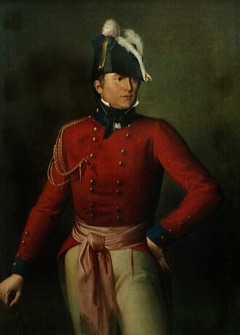
Major-General Robert Ross
18141766–1814 · British army commander
Led the British force that burned the White House and other public buildings in Washington in 1814, after American troops had burned the Parliament Buildings at York (Toronto). He was killed weeks later and is buried in Halifax.
On the test: Led the expedition that burned the White House.
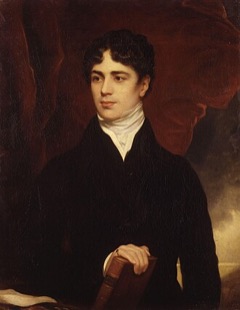
Lord Durham
18391792–1840 · Governor General, author of the Durham Report
Sent to investigate after the rebellions of 1837–38. His report recommended uniting Upper and Lower Canada into one province and granting responsible government. He also wanted French Canadians assimilated, which they rejected.
On the test: Recommended merging Upper and Lower Canada (not keeping them separate).
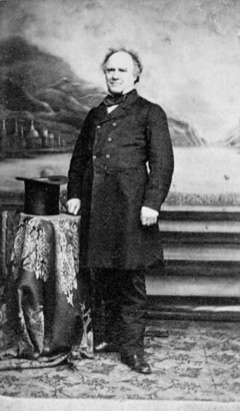
Joseph Howe
1835–18481804–1873 · Nova Scotia journalist and reformer
Won a landmark libel trial in 1835 that helped establish freedom of the press, and led the fight that made Nova Scotia the first colony with responsible government (1847–48). He first opposed Confederation, so he is not one of its Fathers.
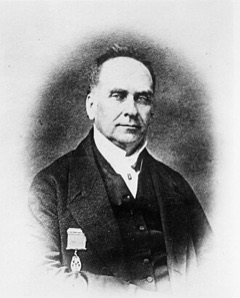
Robert Baldwin
18481804–1858 · Reform leader of Upper Canada
Worked with La Fontaine to win responsible government for the Province of Canada, an alliance of English- and French-speaking reformers.
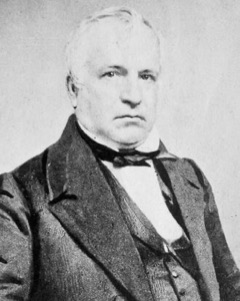
Sir Louis-Hippolyte La Fontaine
1848–18491807–1864 · Reform leader of Lower Canada
A champion of democracy and French language rights. With Baldwin, he formed the first responsible government in the Canadas and became its first leader.
On the test: The first leader of a responsible government in the Canadas.
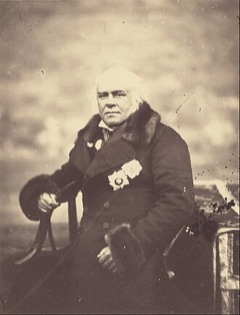
Lord Elgin
18491811–1863 · Governor General of the Province of Canada
Signed the Rebellion Losses Bill in 1849 because the elected La Fontaine–Baldwin ministry advised it, despite fierce opposition (rioters burned the Parliament buildings in Montreal). This confirmed responsible government: the governor acts on the advice of ministers who have the support of the elected assembly.
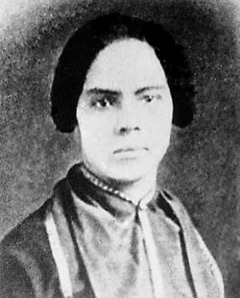
Mary Ann Shadd Cary
18531823–1893 · Abolitionist and publisher
A Black American who moved to Canada after the U.S. Fugitive Slave Act of 1850. She founded The Provincial Freeman newspaper in 1853, becoming the first woman publisher in Canada, and campaigned against slavery.
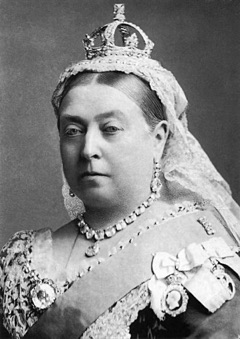
Queen Victoria
1857, 18671819–1901 · Sovereign, 1837–1901
Chose Ottawa as the capital in 1857 and was the sovereign at Confederation in 1867. Victoria Day, the Monday before 25 May, celebrates her birthday.
Confederation and the West 1864–1914
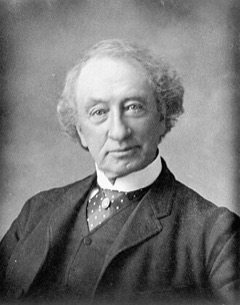
Sir John A. Macdonald
18671815–1891 · Father of Confederation, first Prime Minister
Canada's first Prime Minister (1867–1873 and 1878–1891). He led the push for Confederation, created the North-West Mounted Police in 1873 to bring order to the West, and pushed through the Canadian Pacific Railway. His portrait is on the older $10 note.
On the test: First Prime Minister; a Father of Confederation; founded the mounted police.
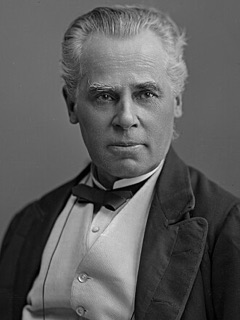
Sir George-Étienne Cartier
1867–18711814–1873 · Father of Confederation
Led Quebec into Confederation and negotiated the entry of the Northwest Territories, Manitoba and British Columbia into Canada.
On the test: Led Quebec into Confederation.
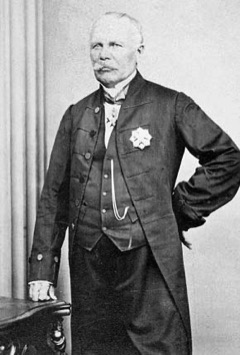
Sir Étienne-Paschal Taché
18641795–1865 · Father of Confederation
Premier of the Province of Canada who chaired the 1864 Quebec Conference, where the plan for Confederation was drawn up.
On the test: Named with Cartier and Macdonald as Fathers of Confederation.
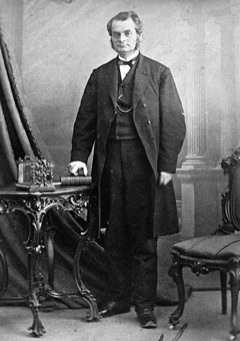
Sir Leonard Tilley
18671818–1896 · Father of Confederation from New Brunswick
Suggested the name "Dominion of Canada", inspired by Psalm 72: "He shall have dominion also from sea to sea."
On the test: Suggested the term "Dominion of Canada".
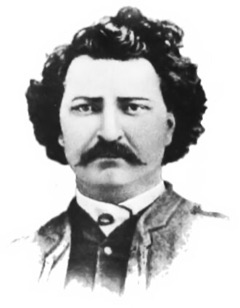
Louis Riel
1869–1870, 18851844–1885 · Métis leader
Led the Red River Resistance of 1869–70 after the West was transferred to Canada without consulting the Métis. His men seized Fort Garry, and his negotiations led to Manitoba joining Canada in 1870. In 1885 he led a second uprising in Saskatchewan; he was tried and hanged for high treason. A hero to many Métis and Francophones.
On the test: The Father of Manitoba; seized Fort Garry.
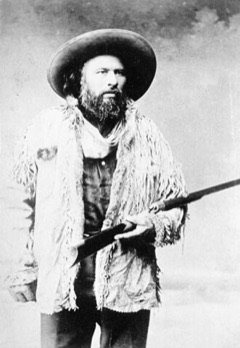
Gabriel Dumont
18851837–1906 · Métis military leader
Commanded the Métis forces in the North-West Rebellion of 1885 alongside Riel. Defeated at Batoche, he escaped to the United States.
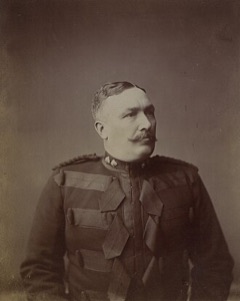
Sir Sam Steele
1873–19181848–1919 · Mounted policeman and soldier
A great frontier hero: an early officer of the North-West Mounted Police who kept order in the West and the Klondike Gold Rush, then commanded troops in the South African (Boer) War and the First World War.
On the test: A great frontier hero, Mounted Policeman and soldier.
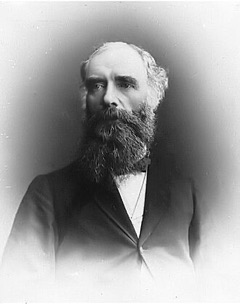
Donald Smith (Lord Strathcona)
18851820–1914 · Railway financier
Drove the last spike of the Canadian Pacific Railway at Craigellachie, British Columbia, on 7 November 1885, completing the railway that united Canada from sea to sea.
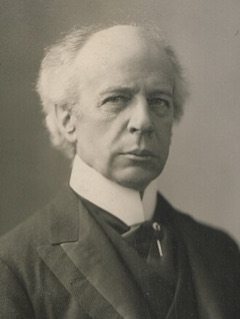
Sir Wilfrid Laurier
18961841–1919 · Prime Minister, 1896–1911
The first French Canadian Prime Minister after Confederation. He encouraged immigration and the settlement of the West. His portrait is on the $5 note.
On the test: First French Canadian Prime Minister; on the $5 note.
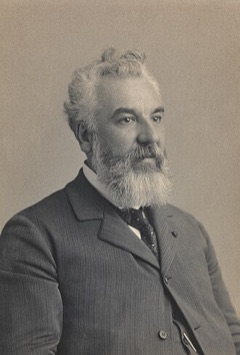
Alexander Graham Bell
18761847–1922 · Inventor
Invented the telephone, working on it at his family home in Brantford, Ontario, and later lived in Baddeck, Nova Scotia. One of the best-known inventors linked to Canada.
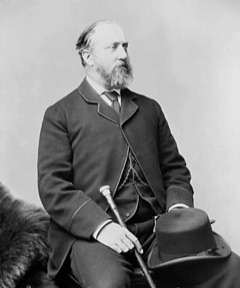
Lord Stanley
18921841–1908 · Governor General, 1888–1893
Donated the Stanley Cup in 1892 as a trophy for Canada's top amateur hockey club. Today the professional teams of the National Hockey League compete for it.
On the test: Donated the Stanley Cup.
The World Wars 1914–1945
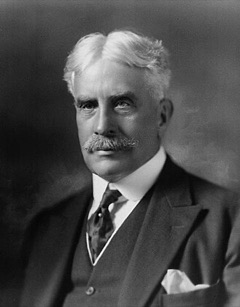
Sir Robert Borden
1914–19181854–1937 · Prime Minister, 1911–1920
Led Canada through the First World War and won Canada its own signature on the peace treaty. His government gave the federal vote first to women related to soldiers (1917) and then to most women (1918). His portrait is on the $100 note.
On the test: The Prime Minister who gave women the vote; on the $100 note.
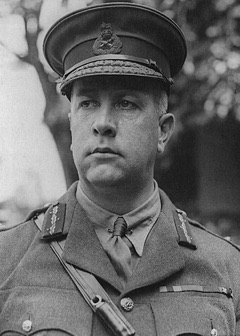
Sir Arthur Currie
1917–19181875–1933 · Commander of the Canadian Corps
The first Canadian-born commander of Canada's army in the First World War, he led the Canadian Corps through the Hundred Days of 1918 that ended the war. Called Canada's greatest soldier of the war.
On the test: Led the Canadian Corps in the last hundred days of the First World War.
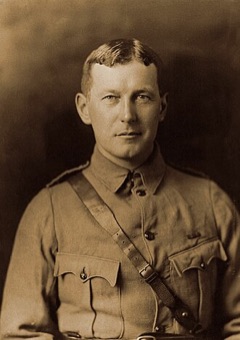
John McCrae
19151872–1918 · Army doctor and poet
Wrote "In Flanders Fields" in 1915 near Ypres, Belgium, after the death of a friend. The poem made the poppy the symbol of remembrance and is recited every Remembrance Day.
On the test: Wrote "In Flanders Fields".
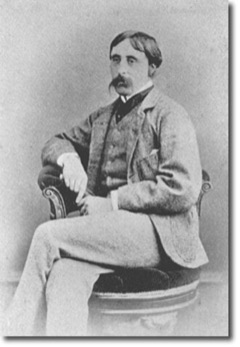
Lieutenant Alexander Roberts Dunn
18541833–1868 · First Canadian Victoria Cross recipient
Born in Toronto, he won the Victoria Cross for saving lives during the Charge of the Light Brigade at Balaclava in the Crimean War.
On the test: The first Canadian awarded the Victoria Cross.
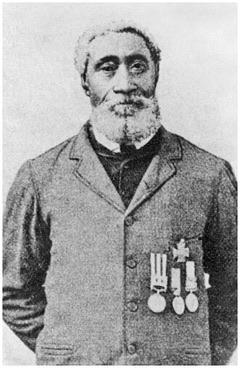
Able Seaman William Hall
18571827–1904 · Victoria Cross recipient
A Nova Scotian sailor, son of former American slaves, who won the Victoria Cross at the Siege of Lucknow in India — the first Black person and the first Nova Scotian to receive it.
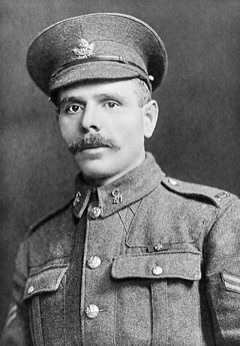
Corporal Filip Konowal
19171888–1959 · Victoria Cross recipient
A Ukrainian-Canadian soldier who won the Victoria Cross for extraordinary bravery at the Battle of Hill 70 in France.
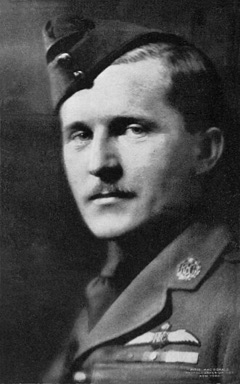
Captain Billy Bishop
19171894–1956 · Flying ace
One of the top fighter pilots of the First World War, credited with 72 victories, and awarded the Victoria Cross. A symbol of Canada's contribution to the war in the air.
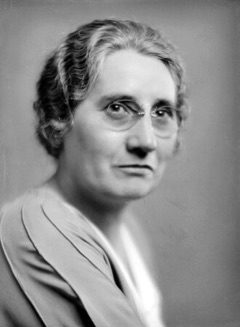
Agnes Macphail
19211890–1954 · First woman Member of Parliament
A farmer and schoolteacher from Ontario who in 1921 became the first woman elected to the House of Commons. She championed prison reform and equal rights.
On the test: The first woman MP, in 1921.
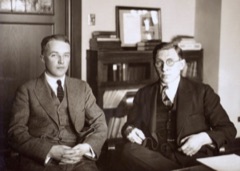
Sir Frederick Banting and Charles Best
19211891–1941 and 1899–1978 · Medical researchers
Discovered insulin at the University of Toronto in 1921, a treatment for diabetes that has saved millions of lives worldwide. Banting shared the 1923 Nobel Prize and gave half his prize money to Best.
On the test: Discovered insulin (Discover Canada: it has saved 16 million lives).
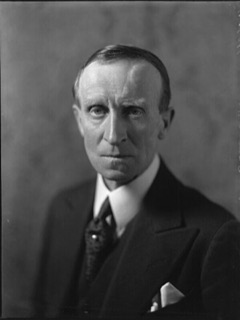
John Buchan (Lord Tweedsmuir)
1935–19401875–1940 · Governor General, 1935–1940
A popular Governor General and novelist who founded the Governor General's Literary Awards. He believed immigrant groups should keep their own identities while contributing to the national character.
On the test: A popular Governor General of Canada.
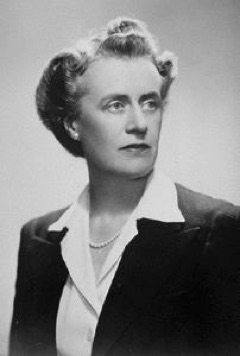
Thérèse Casgrain
19401896–1981 · Women's rights campaigner
Led the campaign that won Quebec women the right to vote in provincial elections in 1940, later than in other provinces. She later led a political party and was appointed to the Senate.
On the test: Her efforts won Quebec women the vote in 1940.
Modern Canada 1945–today
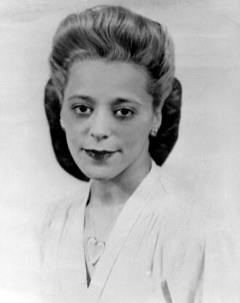
Viola Desmond
19461914–1965 · Businesswoman and civil rights pioneer
In 1946 she refused to leave the whites-only section of a movie theatre in New Glasgow, Nova Scotia, and was jailed and fined. Her stand became a landmark in the fight against racial segregation; she was pardoned in 2010 and is on the $10 note.
On the test: On the current $10 note.
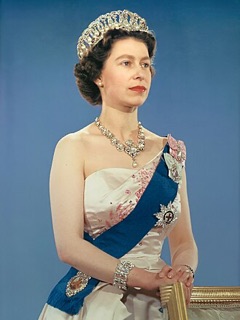
Queen Elizabeth II
1952–20221926–2022 · Sovereign, 1952–2022
Canada's longest-reigning sovereign. She proclaimed the Constitution Act, 1982, which brought the Charter of Rights and Freedoms into the Constitution. Her portrait is on the $20 note.
On the test: On the $20 note.
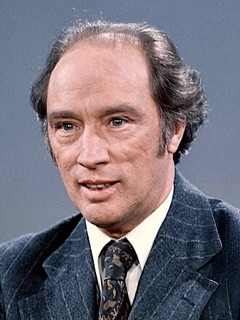
Pierre Elliott Trudeau
19821919–2000 · Prime Minister, 1968–1979 and 1980–1984
Brought the Constitution home from Britain (patriation) in 1982 and added the Canadian Charter of Rights and Freedoms. His government passed the Official Languages Act (1969) and adopted multiculturalism as policy (1971).
- MT
Marjorie Turner-Bailey
1976born 1947 · Olympic sprinter
A Nova Scotian sprinter, descended from Black Loyalists, who represented Canada at the 1976 Montreal Olympics. Discover Canada features her as an example of Black Canadians’ long history in the country.
On the test: An Olympian and descendant of Black Loyalists.
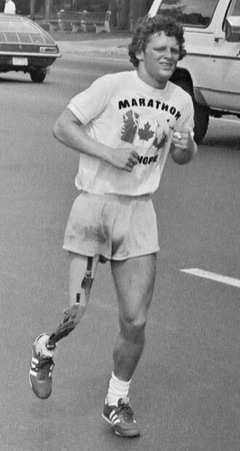
Terry Fox
19801958–1981 · Marathon of Hope runner
After losing a leg to cancer, he set out in 1980 to run across Canada to raise money for cancer research, covering 5,373 km before the cancer returned. The annual Terry Fox Run has since raised hundreds of millions of dollars. He will be on the next $5 note.
On the test: A national hero who inspired people to give to cancer research.
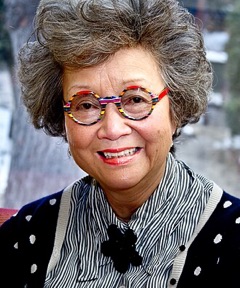
Adrienne Clarkson
1999born 1939 · Governor General, 1999–2005
Came to Canada from Hong Kong as a refugee in 1942 and became the first Governor General of Asian origin. She created the Clarkson Cup for women’s hockey in 2005.
On the test: First Governor General of Asian origin; created the Clarkson Cup.
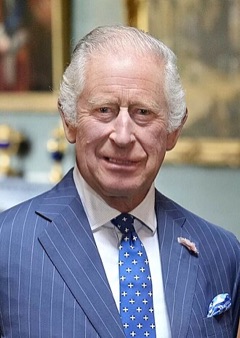
King Charles III
2022born 1948 · Sovereign since 2022
Canada's head of state. New citizens swear allegiance to him in the Oath of Citizenship. He will appear on the new $20 note expected in 2027.
On the test: The Oath of Citizenship is sworn to the King.
Ready to check what you know?
Portrait credits
Portraits come from Wikimedia Commons and are in the public domain or freely licensed; they are resized and cropped. No portraits drawn from life survive for the earliest explorers, so theirs are artists' later impressions.
Show all credits
- John Cabot: Giustino Menescardi, public domain
- Jacques Cartier: Théophile Hamel, after François Riss, CC BY-SA 4.0
- Samuel de Champlain: Louis-César-Joseph Ducornet (engraving), public domain
- Jean Talon: Claude François, public domain
- Pierre Le Moyne d'Iberville: Unknown author, public domain
- King Charles II: John Michael Wright, public domain
- Sir Guy Carleton (Lord Dorchester): Unknown author, public domain
- Joseph Brant (Thayendanegea): Gilbert Stuart, public domain
- John Graves Simcoe: George Theodore Berthon, public domain
- Sir Isaac Brock: John Savery Carey, public domain
- Chief Tecumseh: Attributed to Owen Staples, after Benson Lossing, public domain
- Charles de Salaberry: Anson Dickinson (photo: Daderot), public domain
- Major-General Robert Ross: Unknown author, public domain
- Lord Durham: Thomas Phillips, public domain
- Joseph Howe: Unknown author, public domain
- Robert Baldwin: Library and Archives Canada, public domain
- Sir Louis-Hippolyte La Fontaine: Dion & Frère, public domain
- Lord Elgin: Felice Beato, public domain
- Mary Ann Shadd Cary: Unknown author, public domain
- Queen Victoria: Alexander Bassano, public domain
- Sir John A. Macdonald: George Lancefield, public domain
- Sir George-Étienne Cartier: William Notman, public domain
- Sir Étienne-Paschal Taché: Jules-Isaïe Benoît, public domain
- Sir Leonard Tilley: William Notman, public domain
- Louis Riel: I. Bennetto & Co., public domain
- Gabriel Dumont: Unknown photographer, public domain
- Sir Sam Steele: Steele and Company, public domain
- Donald Smith (Lord Strathcona): Unknown author, public domain
- Sir Wilfrid Laurier: William James Topley, public domain
- Alexander Graham Bell: Unknown author, CC0
- Lord Stanley: William James Topley, public domain
- Sir Robert Borden: Dupras & Colas, CC BY 2.0
- Sir Arthur Currie: Unknown photographer, public domain
- John McCrae: William Notman and Son, public domain
- Lieutenant Alexander Roberts Dunn: Unknown author, public domain
- Able Seaman William Hall: Unknown photographer, public domain
- Corporal Filip Konowal: Elliot & Fry, public domain
- Captain Billy Bishop: Winged Warfare (1918), Internet Archive, no known restrictions
- Agnes Macphail: Yousuf Karsh, public domain
- Sir Frederick Banting and Charles Best: Unknown author, public domain
- John Buchan (Lord Tweedsmuir): Bassano Ltd, public domain
- Thérèse Casgrain: André Larose, public domain
- Viola Desmond: Unknown author, public domain
- Queen Elizabeth II: Donald McKague, public domain
- Pierre Elliott Trudeau: United Press International, public domain
- Terry Fox: Jeremy Gilbert, public domain
- Adrienne Clarkson: Andrew Rusk, CC BY 2.0
- King Charles III: White House, public domain